Dam and bridge construction

Cable crane systems for dam and bridge construction

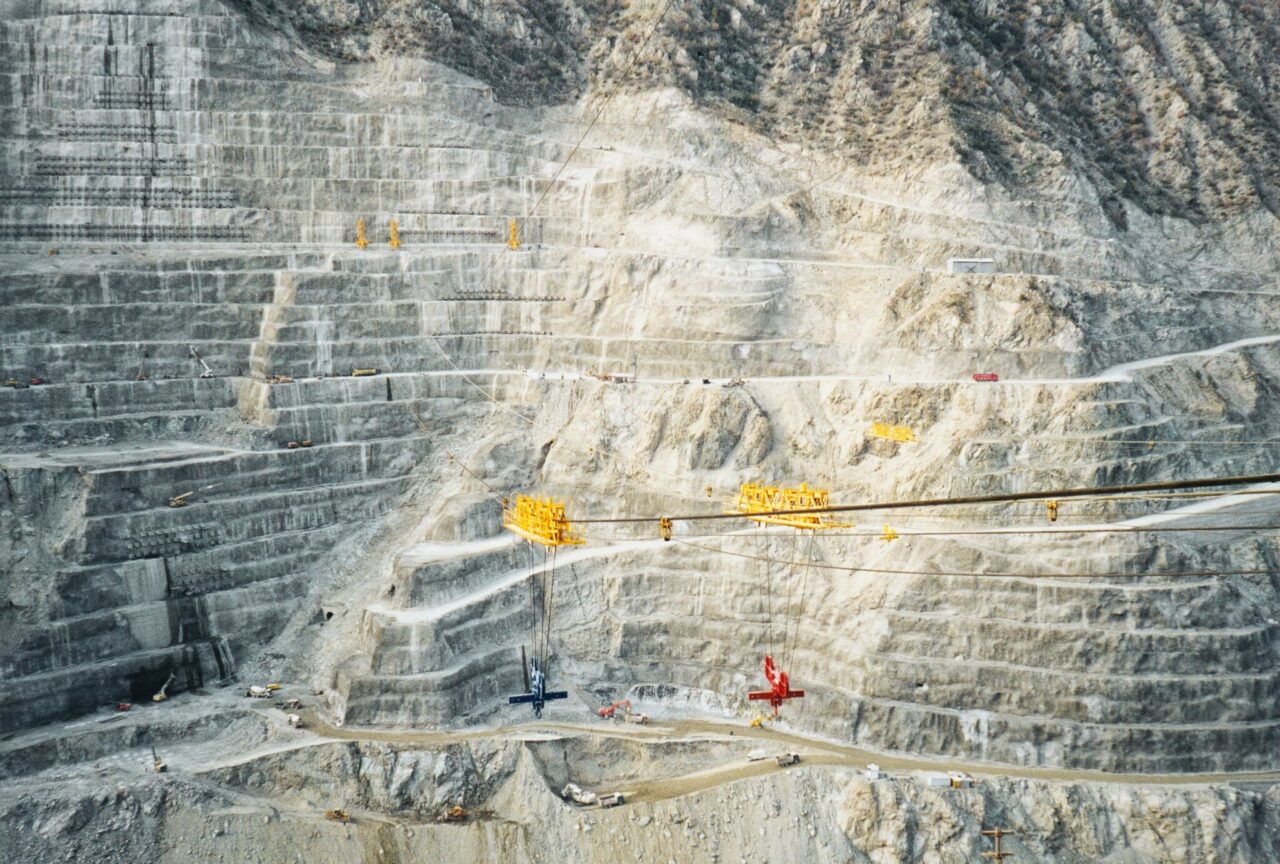
Even at considerable heights, across large distances and in direct confrontation with demanding topography and the element of water, our cable crane systems operate reliably and safely.

  • Whether for the construction of dams, impoundment structures or bridges: Large quantities of construction materials, concrete and components must be brought precisely to their place of use. Our cable crane systems are designed for these requirements and ensure that transport on site is safe, efficient and economical.

Our Solutions

In bridge construction as well, cable crane systems enable the precise transport of materials, concrete and components across large distances and height differences. Especially in difficult-to-access terrain or across bodies of water, they provide a powerful transport solution and support safe, plannable construction processes.

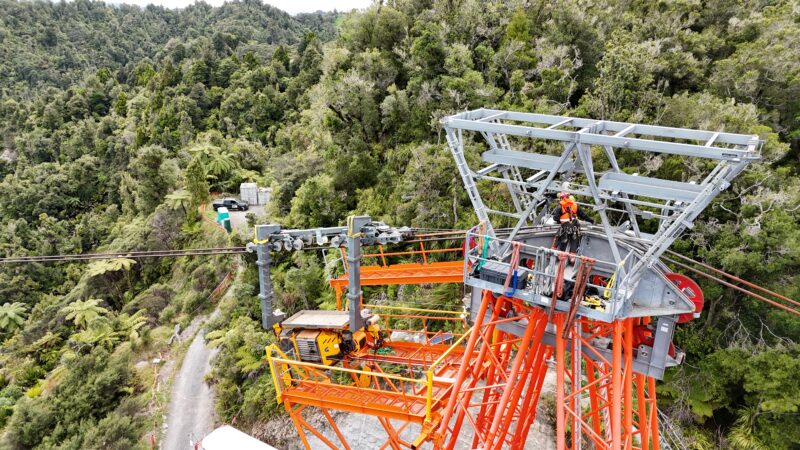
Cable crane systems are conveying installations that operate according to the cableway principle. They can both lift and lower loads. To do this, a freely suspended carrying cable runs between two anchoring points at the respective ends of the construction site. During operation, it serves as the travelway for the trolley. An additional hoisting rope is used to lift or lower loads of up to 50 tonnes with extreme precision.
Project example: Rodovia dos Tamoios Bridge

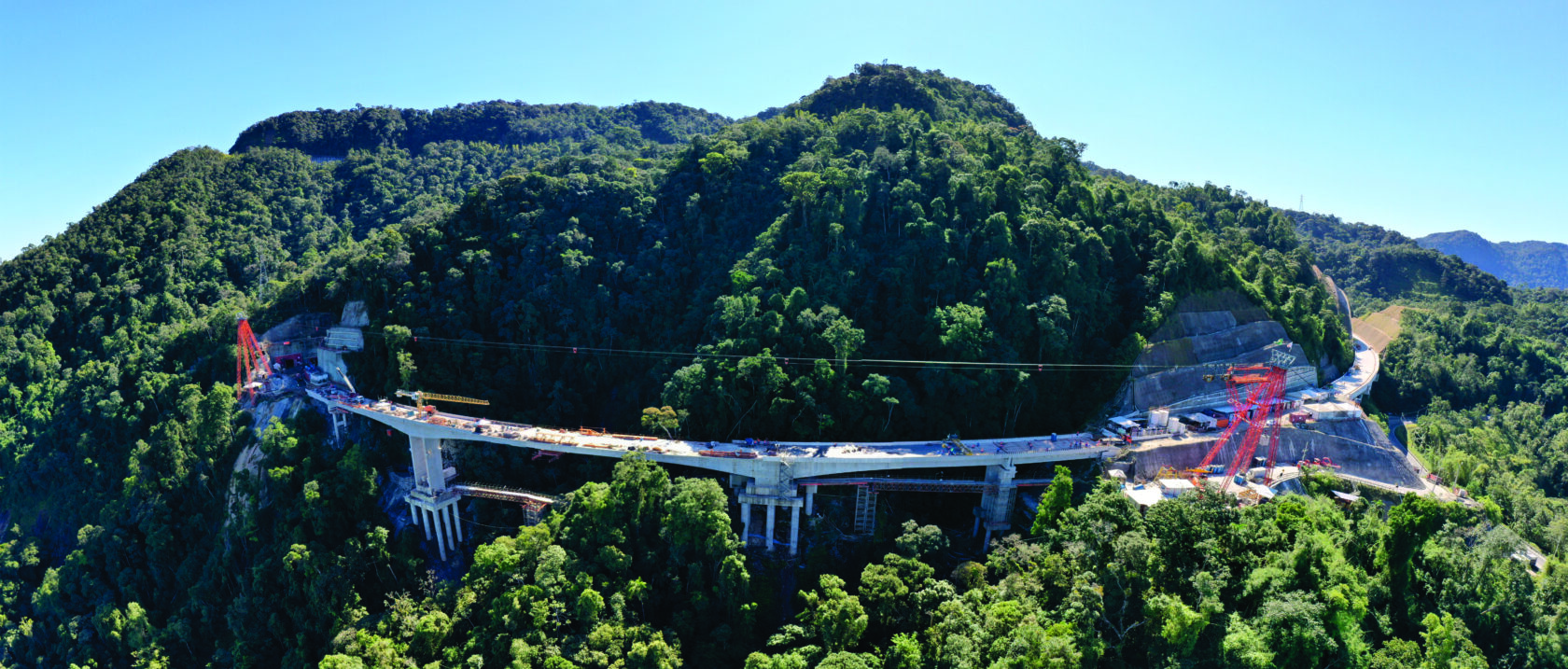
One of the main reasons for using the cable crane system in the construction of a highway bridge in Brazil was environmental protection and the minimization of deforestation for access roads. The 20 t cable crane system, with a length of 600 m and a maximum lifting and lowering height of 120 m, consisted of only two towers measuring 35 m and 40 m in height respectively and was operated by a powerful continuous-rope winch.

Cable crane technology from Thyssenkrupp AG

In 2020, LCS acquired the “radial, parallel and slewing mast systems” technologies from Thyssenkrupp AG and now continues them worldwide on an exclusive basis in marketing, manufacturing and sales.

Luffing cable crane system

In the case of the Thyssenkrupp technology “luffing cable crane systems”, one tower or even two towers are tilted by up to 15° transversely to the crane axis. The tilting movement is performed by multiple reeved ropes. They are driven by a luffing winch located at the base of the tower. Depending on whether one or two luffing towers are used, the working area resembles a triangle or rectangle. The working width depends on the height of the towers.

Case study: Three Gorges Dam

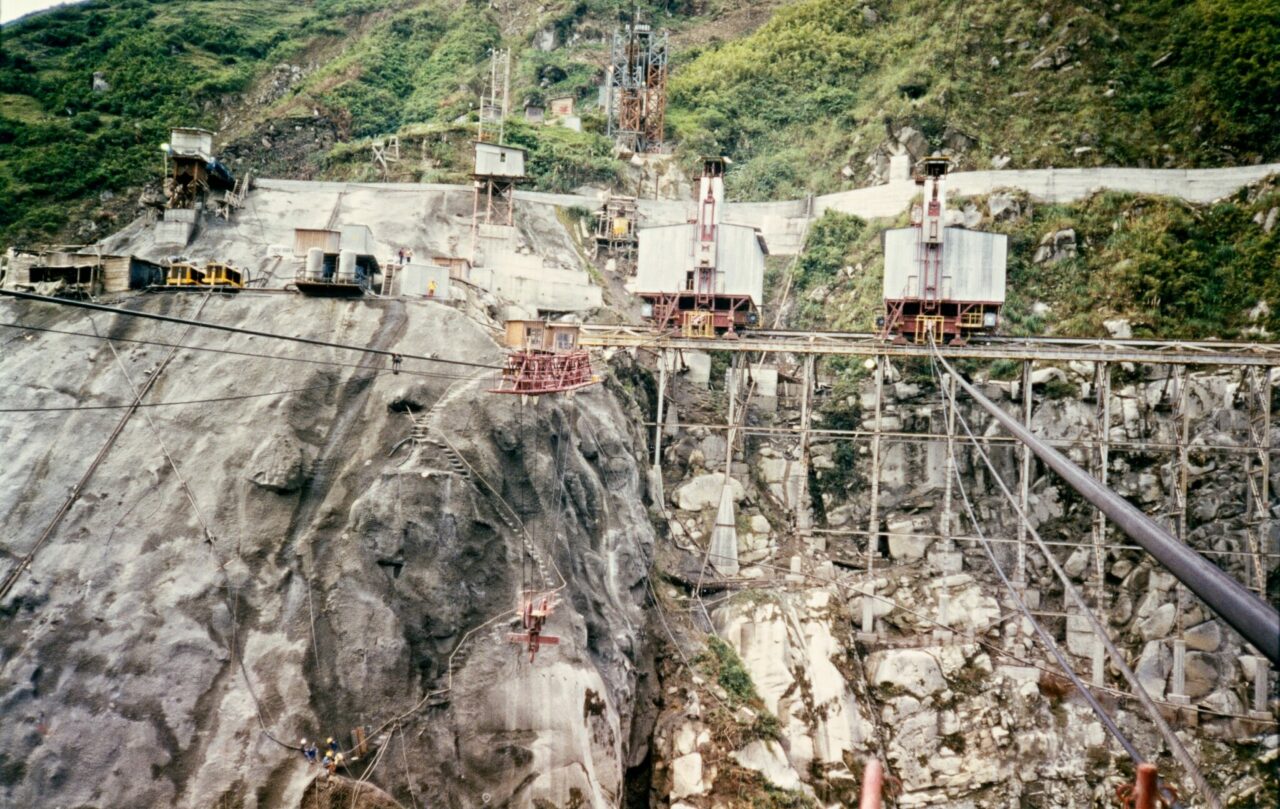
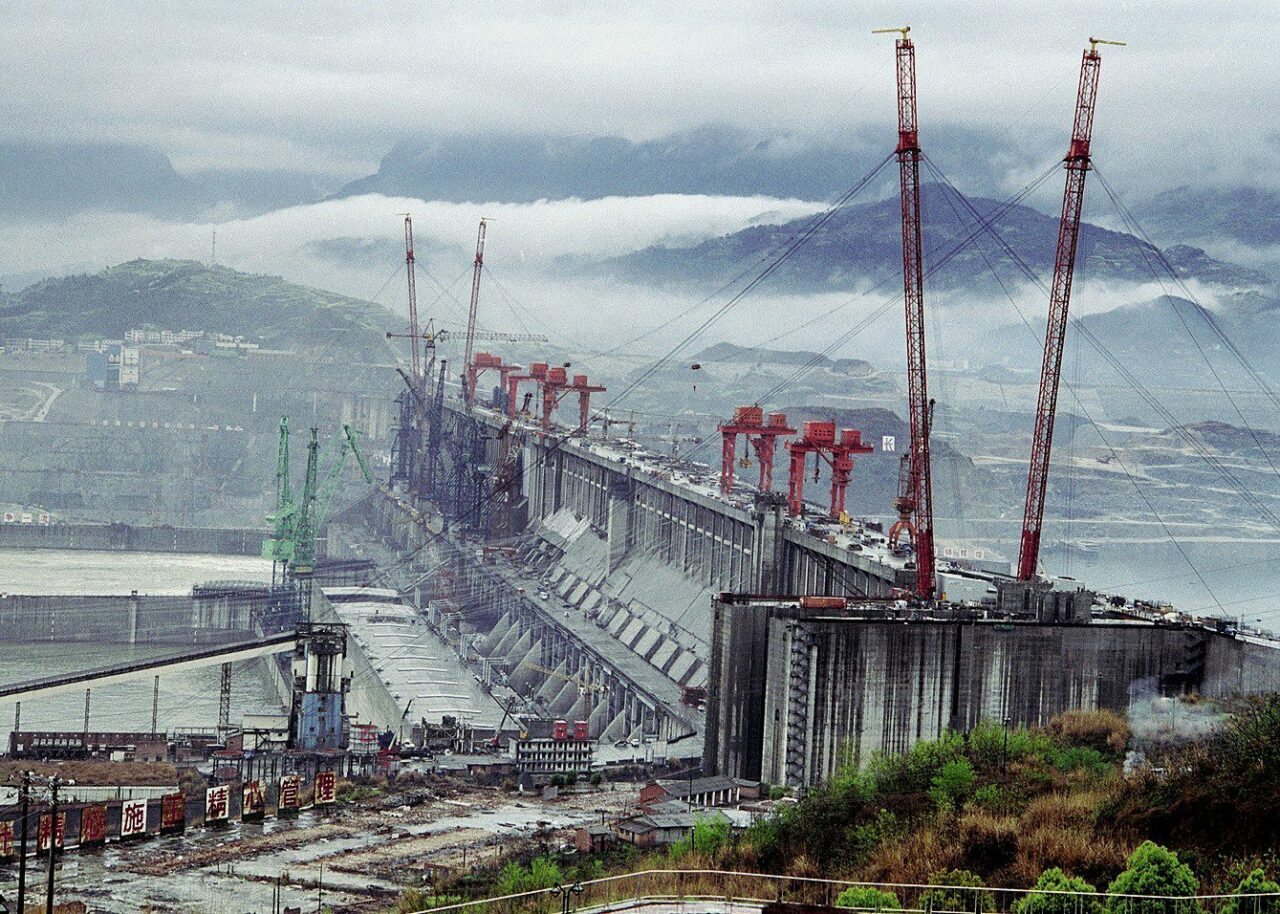
The luffing cable cranes for the Three Gorges Dam in China were one of the largest and most complex installations in the world. With a completely new assembly concept it was possible to install the four masts, each 150 metres high, on an available area of only 20 x 65 metres at a height of 80 metres above the accessible terrain.

Parallel cable crane system

The Thyssenkrupp technology “parallel cable crane system”, also called parallel crane, makes it possible to move the counter side and machine side parallel. Depending on the topography, this is possible by means of movable towers or also with a “low” machine and counter carriage. The working area forms a rectangle, whereby the working width depends on the length of the parallel track.

Case Study: Deriner Dam

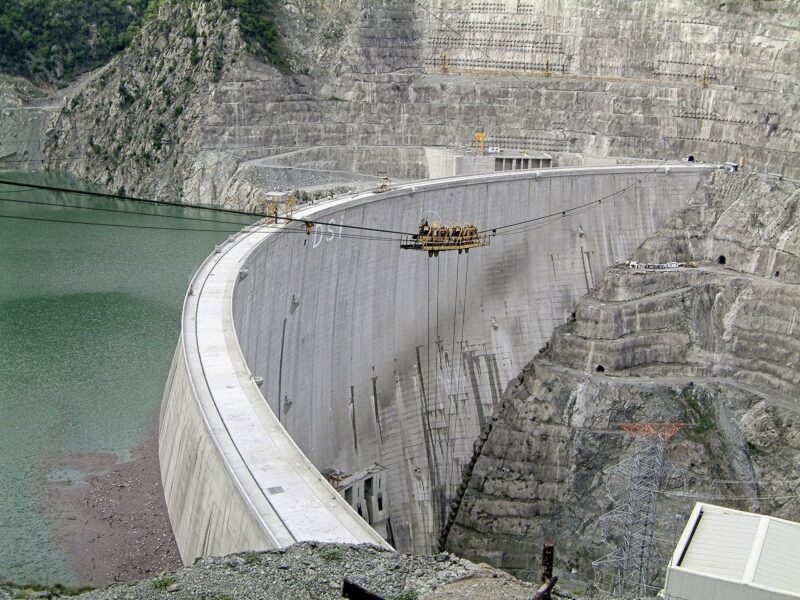
The parallel cable crane systems for the construction of the Deriner Dam in Turkey had a lifting height of 280 metres due to the large dam height. With a span of 740 metres and three parallel cranes it was possible to successfully realise the project.

Radial cable crane system

The Thyssenkrupp technology “radial cable crane system” differs from a parallel crane in that one side of the radial crane is fixed, and the other side is arranged on a radial track. Depending on the topography, this can be implemented by using movable towers with “low” and “high” carriages. The working area forms a circular sector. The corresponding width depends on the span and radial track length of the system.

Radial cable crane system with spherical track

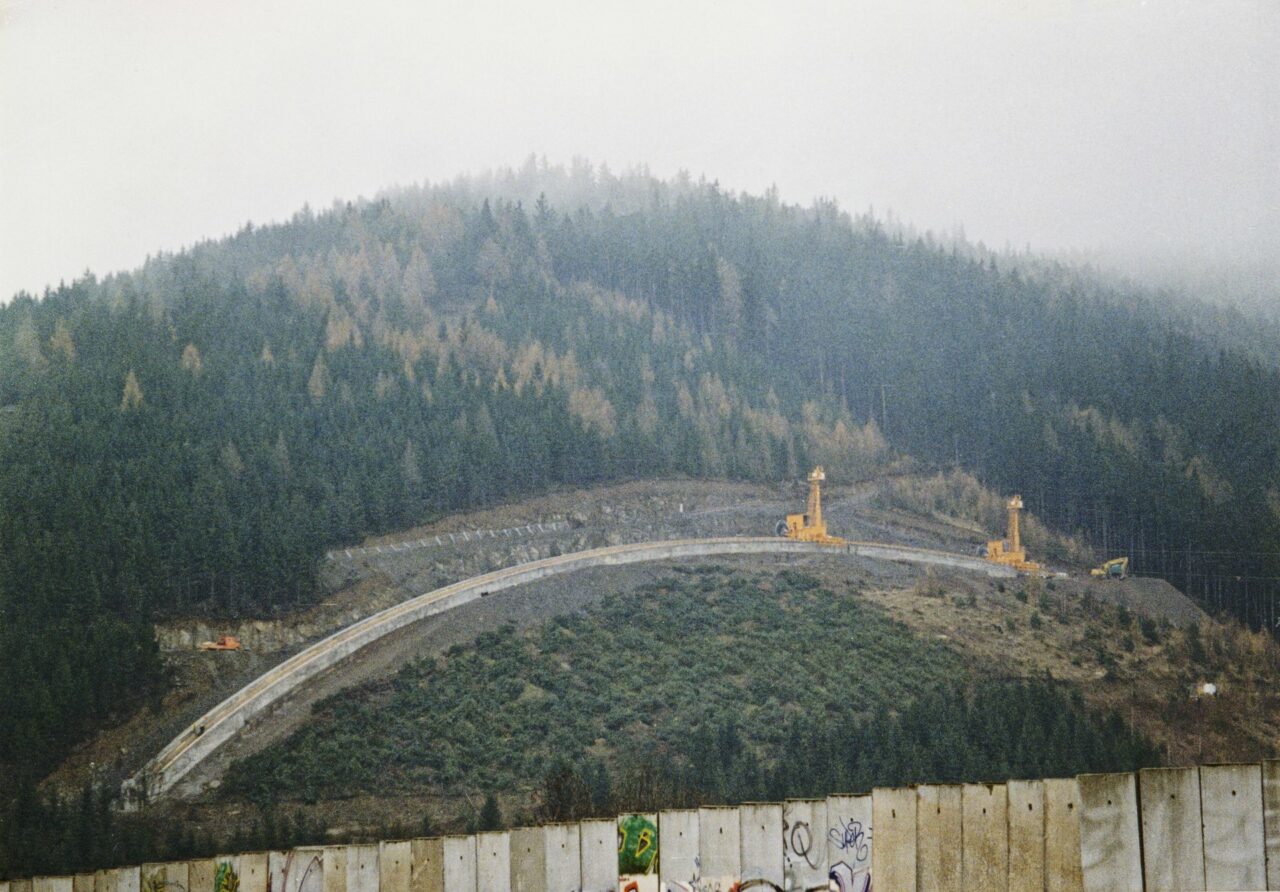
Due to the topography, the radial track of the cable crane system has a vertical curvature in addition to its horizontal curvature. Geometrically, it therefore follows a spherical surface. The counter carriage is equipped with a special climbing undercarriage that functions according to the principle of a rack-and-pinion railway to overcome the spherical track. Since the inclination of the track changes constantly, the tower must be automatically kept in the vertical position by means of a spindle drive for rope deflection of the crane unit.

Case Study: Leibis Lichte Dam

The radial cable crane systems which were used for the construction of the Leibis Lichte Dam in Germany were completely dismantled after completion of the dam. Afterwards, a comprehensive reinstatement of the track and fixed points was carried out.

Facts to cable crane systems for dam and bridge construction

Span

up to

1,700 m

Payload

up to

30 t

Lifting speed

up to

3.5 m/s

Travel Speed

up to

7.5 m/s

Lifting height

up to

350 m

Lowering speed

up to

3.5 m/s

Sediment Management System

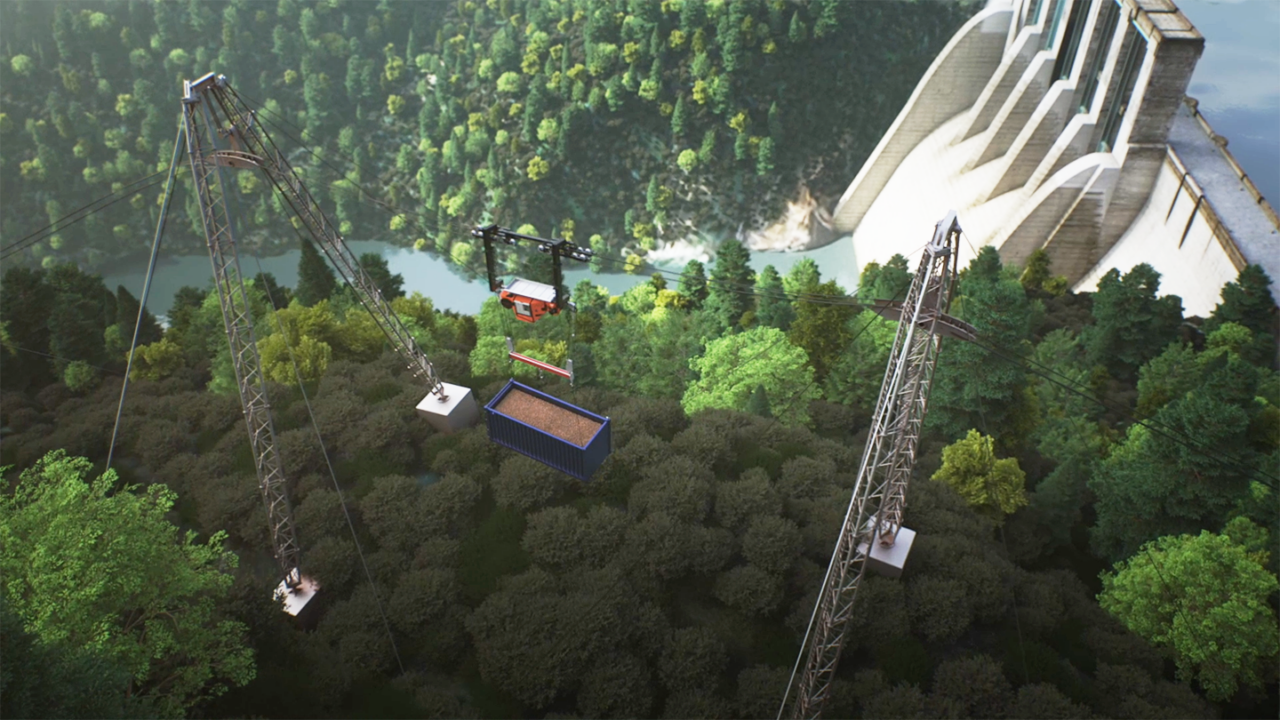
In addition to our cable crane systems for dam and impoundment construction, the LCS Sediment Management System provides a logistically optimized solution for the continuous removal of sediments from reservoirs and basins. The system is based on a two-line cable crane installation and enables precise material transport even under demanding topographical conditions.

This expands our range of services around dams and impoundment structures with a solution that offers relevant logistical benefits not only during the construction phase but also in connection with operation, clearing and maintenance.


Projects

LCS in action